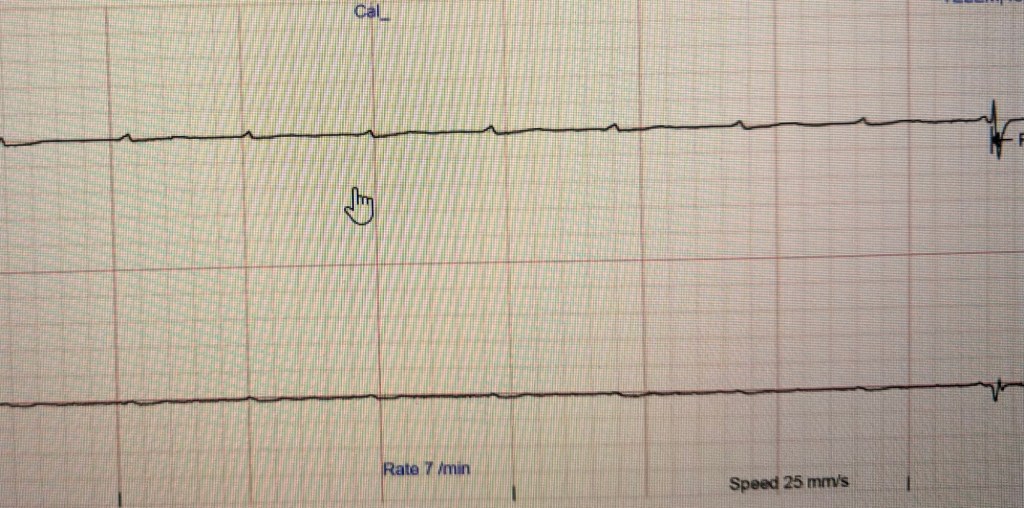
Imagine a 68-year-old man presenting to a hospital in Ghana with recurrent dizziness, fainting and profound fatigue. An electrocardiogram reveals complete heart block. His clinician explains that he needs a permanent pacemaker to prevent potentially life-threatening episodes.
The diagnosis is clear. The treatment is well established. Yet the patient may face a difficult question: can he access and afford the procedure? The nearest capable centre may be far away, the device may need to be imported, and the cost of treatment may be beyond the reach of his family.
This is the broader challenge facing advanced cardiovascular care in Ghana. The country has developed important cardiology services, but access to specialist arrhythmia care—including electrophysiology and permanent pacemaker implantation—remains uneven. The issue is not simply whether a procedure exists somewhere in the country. It is whether patients who need it can receive it promptly, safely and affordably.
1. The state of cardiology services in Ghana
Ghana has established important centres for cardiovascular diagnosis and treatment. The National Cardiothoracic Centre at Korle Bu Teaching Hospital and the cardiac services at Komfo Anokye Teaching Hospital have contributed significantly to the development of specialist care. Private-sector providers have also expanded cardiac services, particularly in Accra.
Depending on the institution, available services include cardiology consultations, electrocardiography, echocardiography, cardiac catheterisation, coronary angiography, percutaneous coronary intervention, cardiac surgery, heart-failure management and selected cardiac device procedures.
However, advanced cardiac services are not evenly distributed. A 2025 nationwide survey of catheterisation laboratories in Ghana reported 10 laboratories across nine facilities, with nine located in Accra and one in Kumasi. This distribution illustrates the concentration of advanced cardiac infrastructure in a small number of urban centres.
For patients in Tamale, Bolgatanga, Wa, the Volta Region and other underserved areas, accessing specialist assessment or a procedure may require substantial travel. The costs of transport, accommodation and time away from work add to the financial burden.
2. Electrophysiology: an essential part of modern cardiology
Cardiac electrophysiology is the subspecialty concerned with the heart’s electrical system and disorders of cardiac rhythm. It includes the diagnosis and management of conditions such as atrial fibrillation, atrial flutter, supraventricular tachycardia, ventricular tachycardia, symptomatic bradycardia, conduction disease and inherited arrhythmia syndromes.
Some arrhythmias can be managed with medication. Others require specialist investigations or device-based treatment. These interventions include electrophysiological studies, catheter ablation, permanent pacemakers, implantable cardioverter-defibrillators (ICDs) and cardiac resynchronisation therapy (CRT).
It is important to distinguish between the ability to diagnose an arrhythmia and the ability to treat it with advanced procedures. A hospital may have cardiologists who can recognise atrial fibrillation or complete heart block but may not have an electrophysiology laboratory, mapping technology, trained personnel or the capacity to perform catheter ablation.
Historical work by the Pan-African Society of Cardiology (PASCAR) documented how limited access to complex electrophysiology procedures was across sub-Saharan Africa during the period it studied. Ghana has since seen developments in specialist arrhythmia services, including initiatives at major cardiac centres and in the private sector. However, a complete, publicly accessible national inventory of active electrophysiology laboratories, practising electrophysiologists and annual procedure volumes remains difficult to identify.
Questions Ghana needs to answer
- How many electrophysiologists are currently practising in Ghana?
- How many hospitals can perform electrophysiological studies and catheter ablation?
- Which centres can provide complex ablation for atrial fibrillation and ventricular tachycardia?
- How many patients receive these procedures each year, and what are the outcomes?
- What is the total out-of-pocket cost to patients?
Without reliable national data, it is difficult for clinicians and policymakers to measure progress, identify gaps and plan future investment.
3. Pacemakers: a life-saving treatment that remains out of reach for many
Permanent pacemakers are an established treatment for selected patients with symptomatic bradycardia, complete heart block, sinus node dysfunction and other clinically significant conduction disorders. For patients with an appropriate indication, pacing can relieve symptoms, prevent recurrent syncope and improve quality of life.
Yet access to pacemaker implantation remains limited in many African health systems. The challenge reflects a combination of device costs, limited procedural capacity, shortages of trained personnel, geographic barriers and gaps in financing.
How does Ghana compare with other West African countries?
A useful historical benchmark is the PASCAR report on cardiac arrhythmia services in Africa, which documented country-level pacemaker implantation activity through 2018. The figures below are reported annual implantation rates per million inhabitants for that year. They are historical estimates—not current 2026 rates.
| Country | Pacemaker implants per million (2018) |
|---|---|
| Senegal | 12.7 |
| Côte d’Ivoire | 3.99 |
| Sierra Leone | 3.14 |
| Burkina Faso | 2.78 |
| Benin | 1.13 |
| Ghana | Approximately 1 |
| Mali | 0.26 |
| Nigeria | 0.20 |
These figures suggest substantial variation in reported pacemaker implantation activity across West Africa. Senegal’s reported rate was more than twelve times Ghana’s approximate rate in 2018. Côte d’Ivoire and Sierra Leone also reported higher rates, while Nigeria and Mali reported lower rates.
These comparisons do not establish the current position of each country. They also measure reported procedures, not the actual number of people who needed a pacemaker. Low implantation rates may reflect limited access, incomplete reporting, or both. Nonetheless, the data provide a clear historical signal that access to cardiac rhythm management has been unequal across the region.
Why is access difficult?
Device and procedure costs. Pacemakers are specialised devices that are commonly imported. The full cost of treatment may include the device, leads, procedural consumables, investigations, admission, specialist fees and follow-up. For patients paying out of pocket, these expenses can be prohibitive.
Insurance and financial protection. A key policy question is whether the National Health Insurance Scheme (NHIS) adequately covers the device and the full episode of care. Even where some services are covered, patients may face substantial additional expenses. Coverage should be assessed in practice, including what patients are required to pay for the device, consumables, investigations and follow-up.
Workforce and procedural capacity. Safe pacemaker implantation requires trained clinicians and a team able to select patients, perform the procedure, manage complications and provide long-term device surveillance. This requires more than a cardiologist: specialised nurses, device technicians and biomedical engineers are also essential.
Geographic barriers and continuity of care. Concentrating specialist services in Accra means that patients elsewhere may need to travel long distances. Care does not end when a device is implanted. Patients need regular clinical review, device interrogation, assessment of battery longevity and timely management of complications. Follow-up access must be part of any national plan.
4. Beyond conventional pacemakers
Building cardiac rhythm services should not stop at conventional pacemakers. Ghana should also plan for appropriate access to other cardiac implantable electronic devices and advanced arrhythmia procedures.
Implantable cardioverter-defibrillators (ICDs) are used in selected patients at elevated risk of sudden cardiac death, including some patients with severe left ventricular systolic dysfunction and survivors of life-threatening ventricular arrhythmias.
Cardiac resynchronisation therapy (CRT) can benefit selected patients with heart failure and electrical dyssynchrony. By improving ventricular coordination, it can improve symptoms and clinical outcomes in appropriately selected patients.
Catheter ablation can offer an effective treatment for selected arrhythmias, including supraventricular tachycardia, atrial flutter, atrial fibrillation and some ventricular tachycardias. The availability of these services requires trained operators, specialised equipment, careful patient selection and longitudinal follow-up.
5. What needs to change?
Expanding cardiovascular care requires a coordinated national strategy. Purchasing equipment alone will not be enough. Ghana needs a sustainable system that connects early diagnosis, specialist referral, affordable intervention and long-term follow-up.
A. Establish a national cardiac rhythm management programme
A national programme should establish a registry of pacemaker and ICD implants, electrophysiology studies and catheter ablations. It should support standardised clinical pathways, referral criteria, procedural reporting and monitoring of outcomes and complications. Reliable data would help determine where services are most needed and whether investments are improving access.
B. Invest in local specialist training
Ghana should expand opportunities for cardiologists to receive dedicated electrophysiology and device training. Partnerships with established centres in Africa and internationally could support fellowships, supervised procedures, visiting faculty and continuing professional development. Training must also include nurses, device technicians, cardiac physiologists and biomedical engineers.
C. Make pacemaker treatment affordable
Ghana should review how NHIS and other financing arrangements cover medically indicated cardiac devices. Options include a dedicated cardiac device fund, transparent pricing, negotiated procurement and support for patients who cannot pay. Any device donation or reuse programme must operate under strict standards for screening, traceability, reprocessing, safety and informed consent.
D. Expand access beyond Accra
The distribution of catheterisation laboratories in the 2025 survey underscores the need for a more geographically balanced system. Strengthening cardiac services at teaching and regional hospitals—including referral capacity in the north and other underserved areas—could reduce delays and travel burdens. Not every hospital needs a full electrophysiology laboratory, but major referral centres should be able to recognise urgent rhythm disorders, stabilise patients and coordinate timely referral.
E. Strengthen diagnostic services
Patients cannot receive appropriate treatment if their condition is not recognised. Access to 12-lead electrocardiography, Holter monitoring, extended ambulatory ECG monitoring, echocardiography and skilled ECG interpretation should be strengthened. These services are important for patients with unexplained syncope, palpitations, recurrent dizziness and suspected conduction disease.
F. Build sustainable public-private partnerships
Private cardiac centres, public hospitals, universities, professional associations and international partners can work together on training, procurement, infrastructure and research. The aim should be to ensure that innovation in the private sector supports broader system capacity and does not leave access dependent solely on a patient’s ability to pay.
6. What kind of cardiovascular system does Ghana want to build?
The goal should not simply be to establish more catheterisation laboratories or acquire sophisticated equipment. A strong cardiovascular system must identify patients early, provide timely treatment, finance necessary interventions and maintain continuity of care.
For a patient with complete heart block, the pathway should begin with recognition at a district or regional hospital, followed by prompt referral, affordable pacemaker implantation and reliable long-term follow-up. The same principle applies to patients with recurrent tachyarrhythmias, atrial fibrillation and potentially life-threatening ventricular arrhythmias.
Ghana has an important foundation on which to build. The next phase should focus on affordability, workforce development, geographic access, reliable data and a coordinated national approach to arrhythmia care.
Conclusion: Access to life-saving cardiac care should not depend on geography or wealth
A pacemaker is not a luxury for a patient who has a clear clinical indication. Electrophysiology is not an optional extra in modern cardiology; it is an essential part of comprehensive cardiovascular care.
Ghana needs more trained electrophysiology professionals, accessible device programmes, affordable treatment pathways, stronger diagnostic services and a national strategy for cardiac rhythm disorders. Progress should be measured not only by the number of hospitals with advanced technology, but by whether patients can actually receive the care they need without financial hardship.
The question is not simply whether Ghana can provide advanced cardiac care. It is whether we can build a health system in which every patient who needs that care has a realistic opportunity to receive it.
Selected references and further reading
- Pan-African Society of Cardiology (PASCAR). Cardiac arrhythmia services in Africa from 2011 to 2018: The second report from the PASCAR working group on cardiac arrhythmias and pacing. Use the country-level data with the year and reporting limitations clearly stated.
- PASCAR. Statistics on the use of cardiac electronic devices and interventional electrophysiological procedures in Africa from 2011 to 2016.
- PASCAR. Status of cardiac arrhythmia services in Africa in 2018.
- Nationwide survey of cardiac catheterisation laboratories in Ghana (2025). Refer to the original publication for methodology and facility definitions.
- Cardiac pacing and electrophysiology training literature from sub-Saharan Africa, including reports on workforce capacity, device affordability and access.
Editorial note: The West African pacemaker comparison in this article is based on historical 2018 figures, not verified 2026 national totals. Before publication, the figures and references should be checked against the original PASCAR tables or supplementary data. Current Ghanaian procedure volumes, EP-centre capacity, device costs and NHIS reimbursement should be confirmed directly with the relevant institutions and the NHIA.
Join the discussion: What should be the first priority for improving access to pacemakers and electrophysiology services in Ghana? Share your experience or perspective in the comments, and subscribe for more evidence-informed discussions on medicine and healthcare in Ghana and beyond.


Leave a Reply